


In the intricate web of financial recovery options, deciding between debt consolidation vs consumer proposal becomes a pivotal choice for many struggling with mounting debts. These two paths offer different mechanisms for managing and potentially eliminating debt, each with its own set of benefits and challenges. Understanding the nuances of both debt consolidation and consumer proposal is essential for anyone looking to navigate their way out of financial instability and towards a brighter, debt-free future. Let’s dive deep into the mechanics, advantages, and potential drawbacks of each option, empowering you to make an informed decision tailored to your financial landscape.
Understanding Debt Consolidation and How It Works

Debt consolidation merges several debts into one single loan, often with a lower interest rate. This process involves acquiring a new loan that is then used to pay off multiple debts, such as credit card balances, medical bills, and personal loans. The aim is to reduce the complexity of multiple payments and, ideally, lower the overall interest costs. This can lead to more manageable monthly payments and a more structured path to paying off debt. The consolidation loan is typically secured through financial institutions or specialized lenders, depending on the borrower’s creditworthiness and financial history.
The Mechanics of Consumer Proposal
A consumer proposal is a formal process facilitated by a Licensed Insolvency Trustee (LIT) who works on your behalf to create a proposal for your creditors. This proposal is essentially an offer to pay creditors a percentage of what is owed to them over a specific period to extend the time you have to pay off the debts, or a combination of both. The terms are negotiated with the goal of achieving a manageable repayment plan that reduces your overall debt. Once filed, it provides immediate protection from creditors, stopping all collection calls and legal actions against you. Approval requires a majority of creditors, by dollar value, to agree to the terms.

Key Differences Between Debt Consolidation and Consumer Proposal
When examining the landscape of debt relief, understanding the key differences between debt consolidation and consumer proposal is crucial for making an informed choice.
Debt Amount and Interest Rates
One fundamental distinction lies in their impact on your overall debt amount and interest rates. Debt consolidation involves taking out a new loan to pay off multiple debts, potentially at a lower interest rate, but does not reduce the principal amount you owe. In contrast, a consumer proposal, negotiated by a Licensed Insolvency Trustee, can significantly lower the total debt amount and halt further interest accumulation, offering a more substantial reduction in your financial obligations.
Impact on Credit Score and Credit Report
Another pivotal difference is related to the impact on credit scores. While both options will influence your credit report, the extent and duration of this impact vary. Debt consolidation might have a more neutral or even positive effect if it leads to more disciplined debt management. However, a consumer proposal typically has a more pronounced negative effect on your credit score, given that it signals a formal arrangement to settle debts for less than the amount owed.

Criteria for Eligibility
Furthermore, eligibility criteria for these options differ. Debt consolidation requires a good credit score to secure favorable loan terms, making it more accessible to those with a stronger financial standing. On the other hand, consumer proposals do not hinge on credit scores but necessitate the involvement of a Licensed Insolvency Trustee to negotiate with creditors, making it a viable option for individuals who may not qualify for new loans or credit lines.
Long-Term Financial Implications
The long-term financial implications of choosing between debt consolidation and a consumer proposal are profound. With debt consolidation, while initially simplifying payments, the overall repayment period may extend, potentially leading to greater interest payments over time. On the other hand, a consumer proposal may offer more immediate debt relief and a shorter repayment span but can significantly impact creditworthiness for several years.
In summary, the choice between a consumer proposal vs debt consolidation involves a careful consideration of how each approach aligns with your financial situation, goals, and the long-term effects on your debt and credit health.
Comparing the Pros and Cons of Each Approach
When comparing the pros and cons of debt consolidation vs consumer proposal, it’s essential to tailor the assessment to your financial situation.
Debt Consolidation
Pros
Simplified Payments
Debt consolidation merges multiple debts into a single loan, resulting in a simplified payment structure. Instead of managing various creditors and due dates, borrowers make one monthly payment, which can alleviate stress and make budgeting easier.
Potentially Lower Interest Rates
One of the primary benefits of debt consolidation is the opportunity to secure a lower interest rate. By consolidating high-interest debts into a single loan with a lower interest rate, borrowers can potentially save money on interest payments over time.
Streamlined Debt Management
With debt consolidation, borrowers have a clear path toward debt repayment. They can focus on repaying one loan instead of juggling multiple debts, which can lead to a more organized and efficient debt management process.
Cons
Requires Good Credit for Favorable Terms
To qualify for a debt consolidation loan with favorable terms, such as a low-interest rate, borrowers typically need a good credit score. Those with poor credit may face higher interest rates or struggle to qualify for consolidation loans altogether.
May Extend Repayment Timeline
While debt consolidation can lower monthly payments and simplify debt management, it may also extend the repayment timeline. Stretching out the repayment period can result in paying more interest over time, even with a lower interest rate.

Risk of Accruing More Debt if Spending Habits Aren’t Addressed
Debt consolidation provides relief from overwhelming debt, but it doesn’t address the underlying causes of financial hardship. Without addressing spending habits and budgeting issues, there’s a risk of accruing more debt in the future, undoing the benefits of consolidation.
Consumer Proposal
Pros
Negotiated Debt Reduction
A consumer proposal involves negotiating with creditors to reduce the total amount of debt owed. Creditors may agree to accept a portion of the debt as full payment, allowing borrowers to repay a more manageable amount.
Protection from Creditors
Once a consumer proposal is filed, creditors are legally required to stop collection actions, such as wage garnishment and harassment. This provides borrowers with immediate relief from creditor pressure and gives them the opportunity to regain control of their finances.
Single Monthly Payment
Similar to debt consolidation, a consumer proposal involves making a single monthly payment to a licensed insolvency trustee, who then distributes the funds to creditors. This simplifies the repayment process and allows borrowers to focus on repaying their debts.
Cons
Negative Impact on Credit Score
Filing a consumer proposal will have a significant negative impact on a borrower’s credit score. The proposal will remain on the credit report for several years, making it difficult to obtain credit in the future.
Public Record of Filing
Consumer proposals are a matter of public record, meaning they can be accessed by anyone who conducts a credit check. This can affect future employment opportunities and may cause embarrassment or stigma.
Limited Eligibility Requirements
Not everyone is eligible to file a consumer proposal. There are strict eligibility requirements, including having unsecured debts between $1,000 and $250,000 and being unable to repay debts as they become due. Additionally, certain types of debts, such as secured debts and student loans, cannot be included in a consumer proposal.
Choosing the Right Path for Your Financial Situation
When it comes to navigating the decision between consumer proposal vs debt consolidation, the right choice hinges on your unique financial situation and long-term goals. If your debts are overwhelming and you seek a reduction in the amount owed, a consumer proposal might be the more suitable option. Conversely, if you’re looking to simplify your payments and possibly secure a lower interest rate without reducing the debt principal, debt consolidation could be the way forward. Carefully consider your ability to manage repayment, the state of your credit, and your financial objectives to guide your decision in this critical juncture.
Taking the First Step Towards a Debt-Free Future
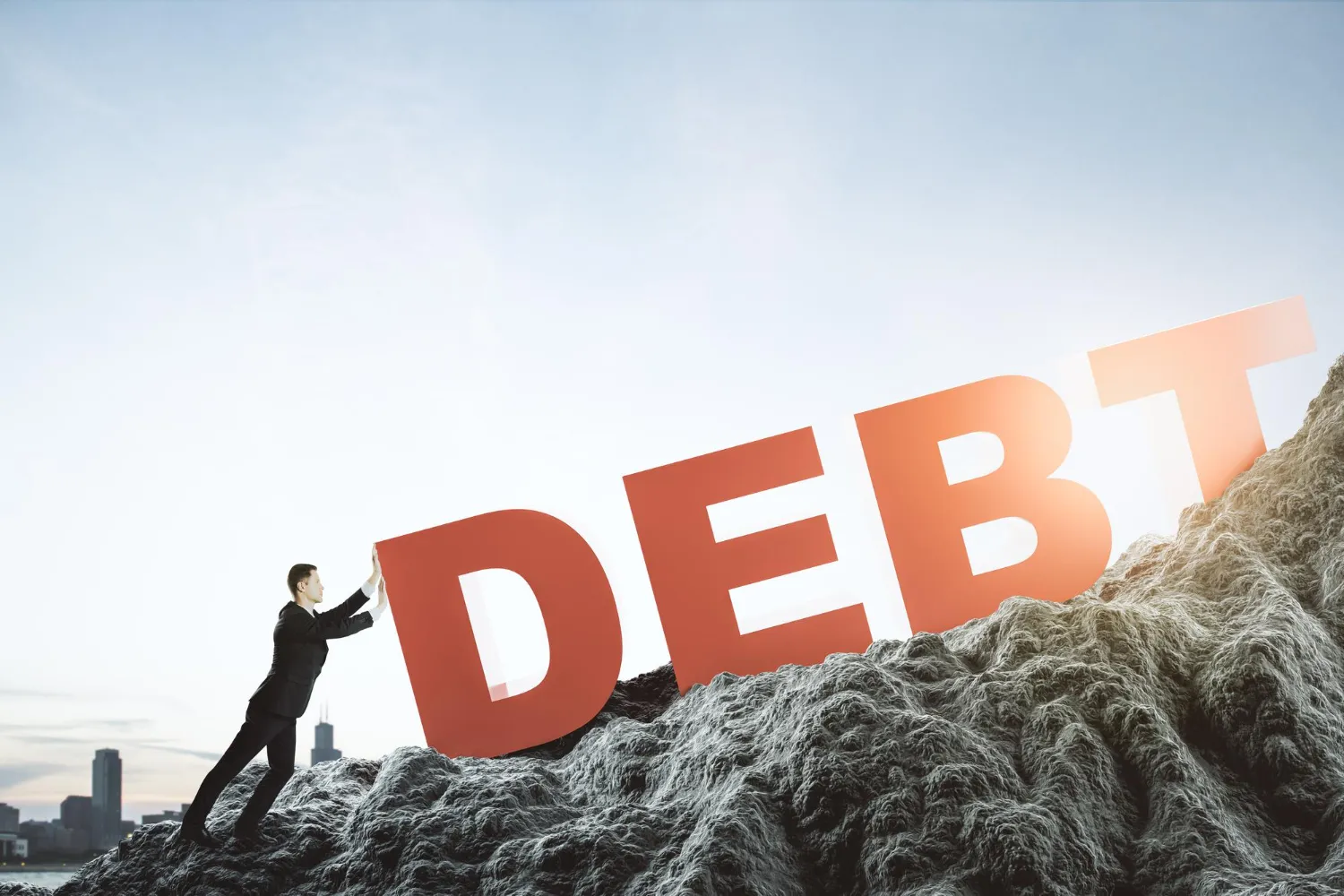
Embarking on the path toward financial liberation requires decisive action and a solid plan. The initial move involves a thorough evaluation of your debt situation, followed by exploring the potential avenues for relief that align with your financial condition and objectives. Whether opting for the structured repayment plan of a consumer proposal or leveraging the simplification offered by debt consolidation, the key is to engage with knowledgeable professionals who can guide you through the process. Setting clear, achievable financial goals and staying committed to your chosen strategy are essential components of this journey. By taking proactive and informed steps, you can navigate your way out of debt, gradually moving towards a more stable and secure financial future.