

Buying a home is exciting, but many people, especially the self-employed, find the mortgage requirements to be difficult. In September 2024, the federal government introduced two major changes to mortgage rules. First, an increase in the price cap for insured mortgages. Second, expanded eligibility for 30-year mortgage terms. The goal of these changes is to extend the quantity of buyers across Canada.
To qualify for a mortgage in Canada, there are some factors to consider. Here, we will explore mortgage requirements in Canada and how to qualify for them.
Mortgage Qualification in Canada – Key Factors
Lenders set certain mortgage qualification criteria. For example, you have to show a stable income, a good credit score, and savings. Furthermore, there are a few extra features that lenders analyze. While federal rules apply, it is important to understand specific British Columbia home mortgage and home equity loan regulations.
Basic Eligibility
You have to be at least 18 or 19 years old. Additionally, you need to be a Canadian citizen or have a valid work permit. To verify your eligibility, lenders also look into your residency status.
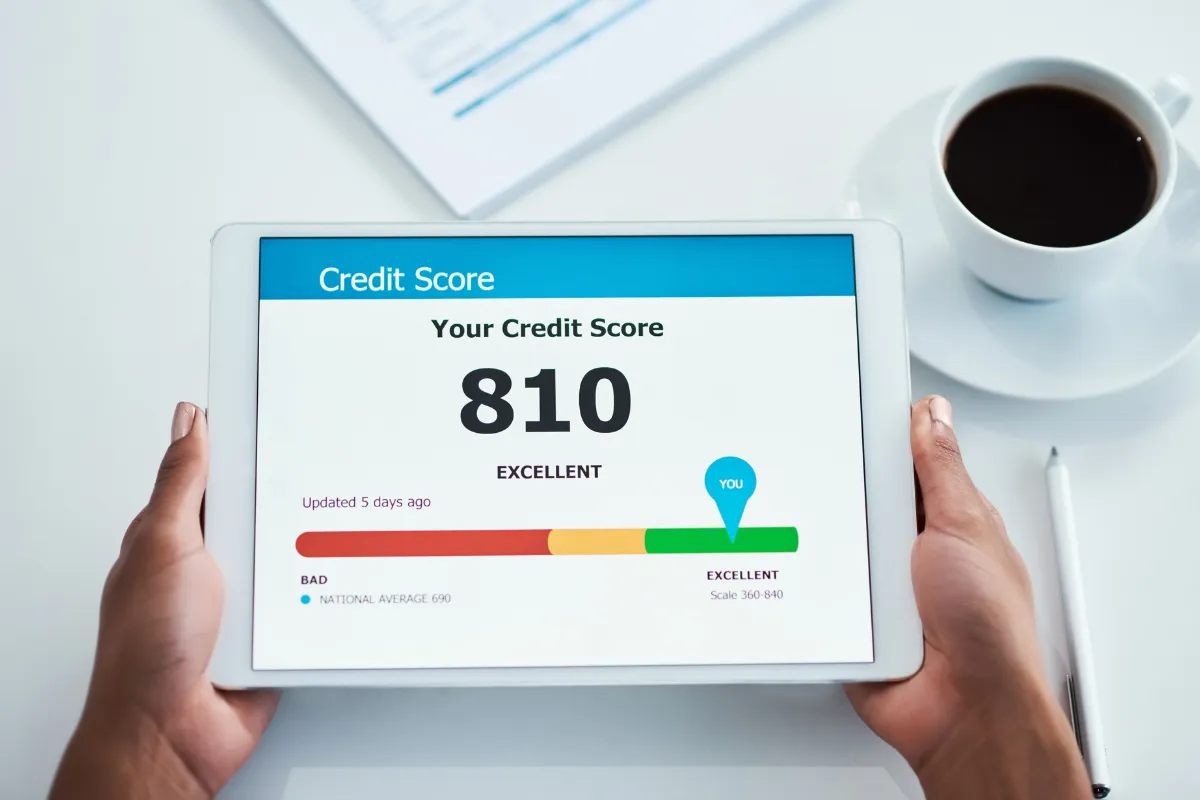
A stable income source is necessary to prove you can afford the loan. Lenders prefer full-time employment for at least two years. A strong credit history and a manageable debt load also play a big role in mortgage approval.
Down Payment
The minimum down payment depends on the home’s price. Here is the breakdown:
| Home Price | Down Payment Requirement |
| $500,000 | 5% of the purchase price |
| $500,000 to $999,999 | 5% for the first $500,000 and 10% for the remaining amount. |
| $1,000,000 or more | 20% down payment |
Remember, you also have to pay for mortgage default insurance. Particularly, if your down payment is less than 20%.
Credit Score
A high credit score showcases to lenders your ability to repay loans. This also reflects your sense of financial responsibility. The majority of lenders want a minimum score of 600–680. Over time, you can save money by getting a cheaper interest rate with a higher credit score. Moreover, banks and lenders may have higher credit score standards.

You can improve your credit score for mortgage approval. You can reduce your outstanding debt and avoid applying for too much credit at once. Additionally, checking regularly for errors can also help maintain a strong score. This is important, as a good score can improve your chances of mortgage approval.
Income & Employment Verification
Lenders require proof of steady income to confirm your ability to afford mortgage payments. Typically, they request an employment letter, tax returns, and recent pay stubs. You could be asked to show at least two years’ worth of tax returns and financial statements.

Your employment history and type of work are also important. Permanent and full-time workers have a competitive advantage. If you just changed jobs, lenders may request more evidence of your stability. Having a regular source of income increases your chances of getting approval.
Debt Service Ratios
Lenders use two key ratios to measure your capacity to afford a mortgage. The Gross Debt Service ratio should not be more than 39% of your total revenue. This covers 50% of the condo fees, heating costs, property taxes, and mortgage payments. The Total Debt Service (TDS) ratio shouldn’t exceed 44% of your gross income. This includes your additional obligations, like credit cards and auto loans.
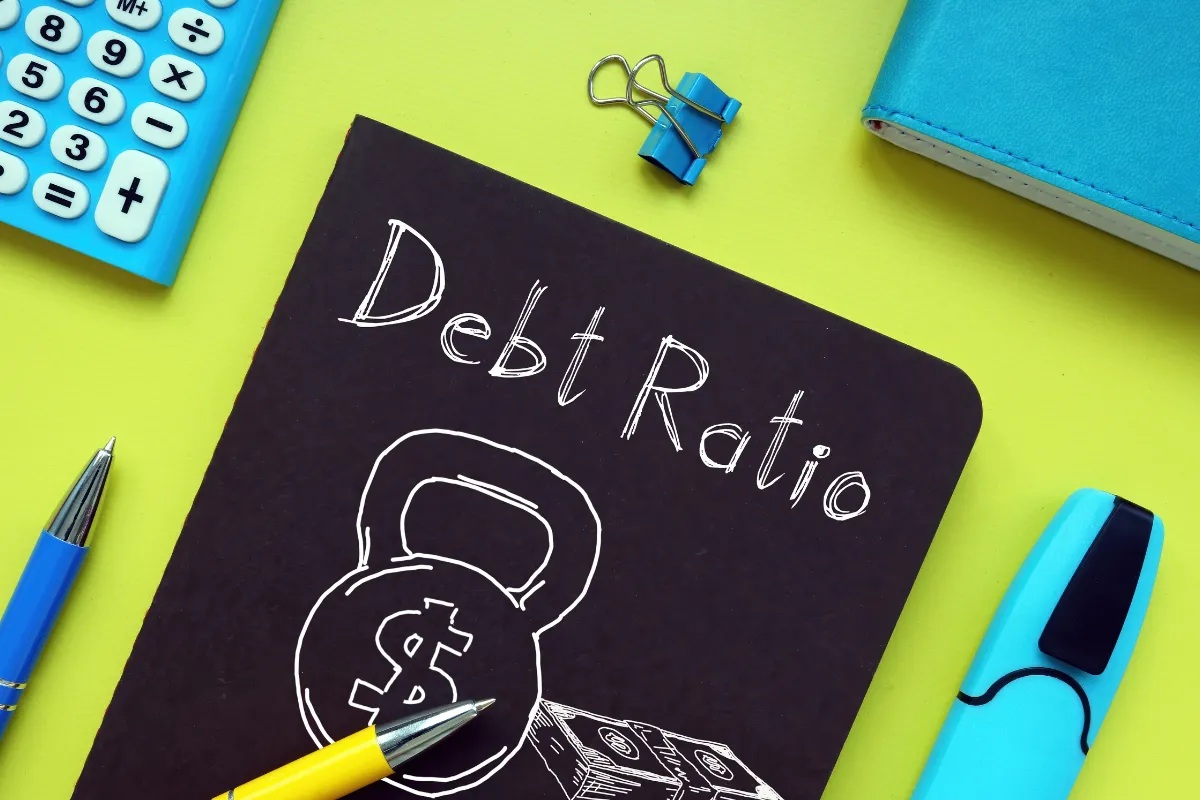
It is best to keep your income high and your debt low to maintain healthy ratios. However, if your debt is too high, lenders may reject your application. Therefore, paying off your current debt before qualifying for a mortgage is a smart idea.
Mortgage Stress Test
The mortgage stress test confirms you can afford payments. Lenders evaluate whether you qualify at the higher of your mortgage rate plus 2% or the Bank of Canada’s qualifying rate. This stops borrowers from taking on loans they may have trouble paying back in the future.
For example, you have to prove that you can afford 7% mortgage payments if your lender offers a 5% mortgage. You may need a larger down payment or a cheaper property if you fail the stress test. Moreover, preparing for the stress test increases your chances of a mortgage application.

Additional Considerations
Multiple types of documentation are required by lenders to confirm your financial status. A government-issued ID, proof of income, and a credit report are required.
Buyers must pay closing costs, which often range from 1.5% to 4% of the home’s price. These consist of title insurance, land transfer taxes, and legal fees. For first-time buyers, many provinces offer land transfer tax discounts.

Make Your Mortgage Approval Simple
By managing your finances well and being aware of the current mortgage landscape, homeownership can become a realistic goal for many Canadians. Improving your credit score and learning about new mortgage rules can help you get approved. By getting your documents ready, you can make the process easier. Compare lenders and find the best deal for you. With smart planning, you can get a mortgage without any hassle.