1
Raw Land Financing
This option is for land that may not yet have power, water, sewer, or a finished road. These files usually need more equity, a clearer exit plan, and stronger support around access, zoning, and future use.

Buying land in British Columbia is different from buying a finished home. A lender is not only looking at price. They also want to know what the land is, what can be built on it, how it is reached, and how the loan will be repaid later.
At Seven Lending, we arrange private first and second mortgages for buyers, owners, and investors who need a practical land solution. That may mean a short-term purchase loan on raw acreage, a refinance on owned land, or a structure that leads into a construction loan when your plans are ready.
We focus on real lending paths. That includes raw land, serviced lots, ALR parcels, rural acreage, and files where banks are uneasy about zoning, road access, utilities, GST, or timing.
Yes, but the answer depends on the land and the plan. A build-ready lot inside a serviced subdivision is easier to finance than a rural parcel with no legal road access, no power, and no confirmed water source.
Private lending fills the gap when the file is still workable but the risk does not fit bank policy. We arrange financing for raw land, serviced land, acreage, and select ALR properties by reviewing equity, location, zoning, access, and the next step after closing.
The goal is not to force a standard mortgage onto a non-standard property. The goal is to match the right land file to the right lender from the start.

Land files only work well when the loan fits the property. We review whether the parcel is raw or serviced, whether it sits inside the ALR, what utilities are available, and whether your next step is a hold, a build, or a sale.
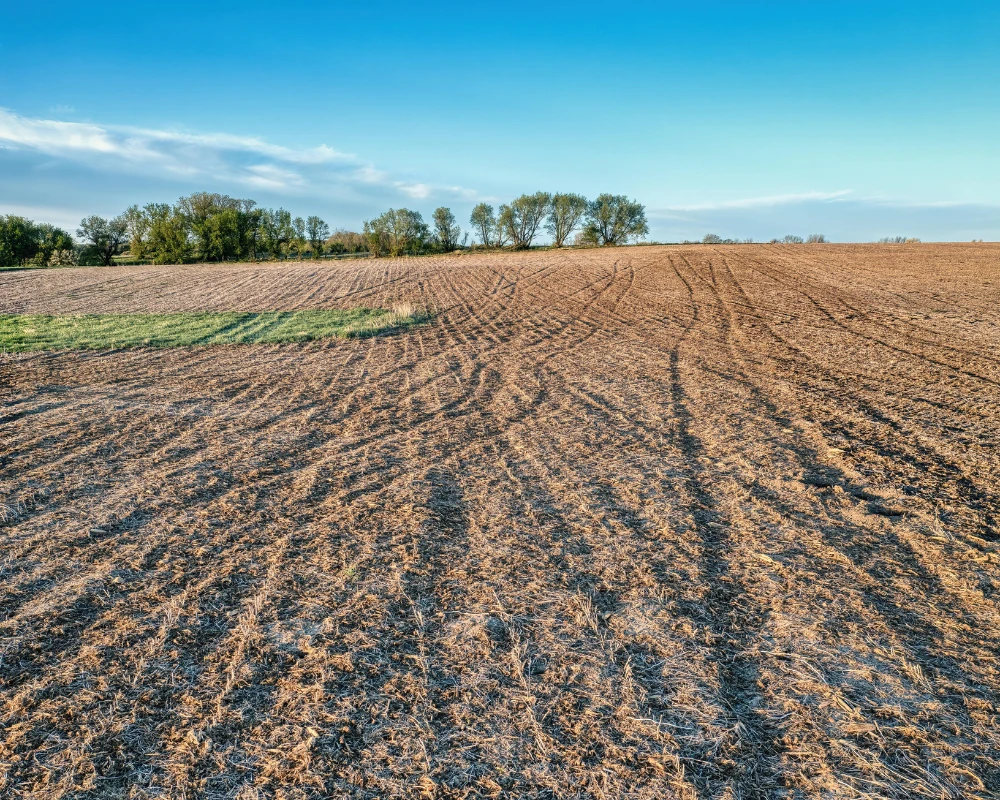
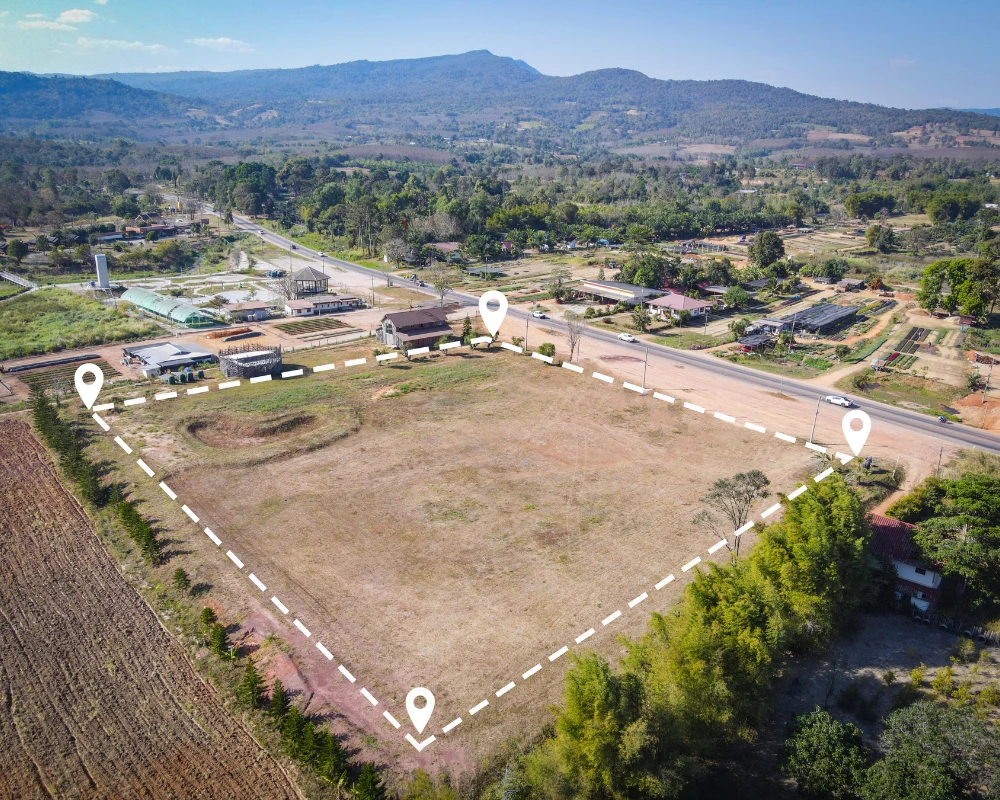
This option is for land that may not yet have power, water, sewer, or a finished road. These files usually need more equity, a clearer exit plan, and stronger support around access, zoning, and future use.
This is the cleaner land file. If the lot already has road access and core services, lenders often view the risk more favorably because the property is closer to being build-ready.
Some borrowers need more than a land loan. We can help structure a short-term land mortgage that lines up with a later move into a construction financing stage once permits, budget, and builder details are in place.
Vacant land creates more questions than a finished house. That is why banks often step back early.
This is where private lenders in BC and structured alternative financing become useful. They allow more room for land files that still make sense but need a more careful review.


Land can be a strong asset when the numbers are realistic and the hold period is planned. A short-term private mortgage can create room for buyers and owners who are not yet ready for a standard bank file.
That flexibility does not remove risk. It simply gives you a path to handle the risk in stages instead of missing the opportunity altogether.
Vacant land financing is rarely one-size-fits-all. Rural acreage, recreational lots, and ALR parcels each need a different review.
Some areas bring stronger resale support. Others need more care around agricultural rules, utilities, road access, or future building plans. We structure the file around the land instead of forcing it into a generic checklist.

This region often blends recreational use, vineyard interest, and future residential plans. We can pair land files in that area with a lender that understands seasonal demand and rural comparables.
ALR parcels near Abbotsford and Chilliwack often need more discussion around permitted use, utility plans, and exit timing. That is where a precise lender match matters most.
Island land files can raise extra questions around access, servicing, and holding timeline. We structure these deals with those issues in mind from the beginning.
We keep the review simple. First we look at the property. Then we look at the leverage. After that, we test whether the exit plan is realistic.
A land file usually moves better when the borrower can explain the purpose of the property, the expected timeline, and how the loan will be cleared. That is true whether the plan is to build, sell, refinance, or hold for a defined period.
Costs also matter. Depending on the file, you may need an appraisal, legal work, lender fees, broker fees, and extra due-diligence items such as septic review, well information, or site reports. GST can also affect closing costs because the tax treatment of vacant land depends on the seller and the nature of the land sale. For broader pricing context, we can also compare your file against current private mortgage rates.
We review municipality, neighborhood, legal access, and whether comparable land sales support the value.
Stronger serviced lots can sometimes fit a lower leverage structure. Raw land or tougher files often need more cash or more equity.
We want to know the current zoning, whether the land is in the ALR, and what approvals already exist for access, water, septic, or building.
The lender leans heavily on appraised land value, but the quality of the appraisal depends on the strength of recent comparable sales.
We need a clear answer to the most important question: what happens next after the land loan closes?
We keep the process clear so you know what a lender needs and what can slow the file down.
We review the land, the purpose, the timeline, and the amount you need.
We assess zoning, access, servicing, appraisal needs, and lender fit.
Where required, we help move the valuation step so pricing and leverage can be confirmed.
After conditions are complete, legal closes the file and the funds are advanced.
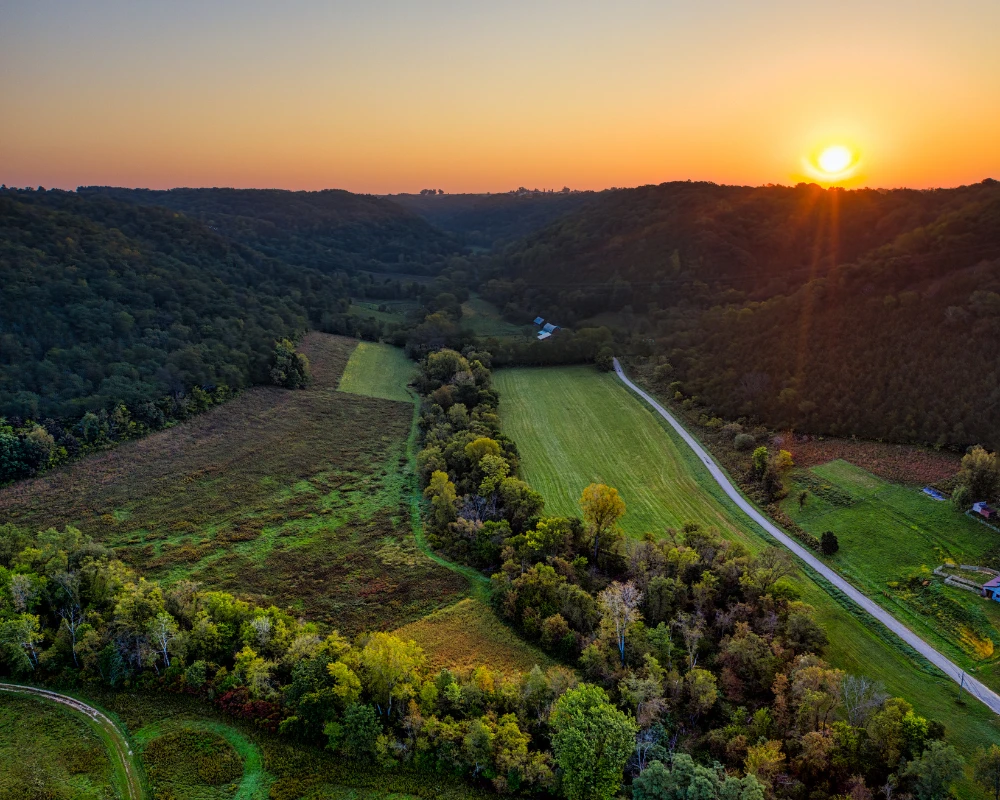
Vacant land deals need a lender who understands more than just income and credit. The file has to make sense on the ground as well as on paper.
Tell us whether the property is raw or serviced, whether it sits inside the ALR, whether there is well or septic work to review, and whether you are buying, refinancing, or planning a build. We will tell you what the next step looks like.
Yes. Raw land can be financed through private lending, but the leverage is usually more conservative because the property may not yet have road access or services in place.
No, but it changes the review. ALR status can affect permitted use, improvement plans, and resale assumptions, so the lender has to be comfortable with those limits.
Almost always. The more certainty you have around water, septic, power, and access, the easier it is to explain value and exit.
That depends on the land and the file. Serviced lots may support stronger leverage, while raw land and riskier properties usually need more equity or a larger down payment.
Yes, in many cases. That is why we ask about builder, budget, permits, and timing early, so the land loan can support the next stage instead of blocking it.