Strata commercial units
Lenders may review strata financial statements, bylaws, minutes, insurance, special assessments, permitted use, access, parking, and the unit’s resale market.

Seven Lending arranges commercial property financing in Vancouver for purchases, refinances, construction projects, bridge requirements, owner-occupied buildings, and income-producing properties.
We review the property, cash flow, borrower contribution, lease profile, lender fit, financing costs, guarantees, and exit strategy before presenting suitable bank, alternative, or private lending options.
A commercial lender usually looks at two repayment sources: the property or business cash flow, and the strength of the borrower or guarantor. The lender also reviews how much cash or equity remains in the deal.
A stronger DSCR gives more room for the property to absorb vacancies, repairs, or rate changes. A lower LTV gives the lender a larger equity cushion. Neither ratio guarantees approval because leases, property condition, zoning, location, borrower experience, and exit strategy also matter.
A property with $240,000 in effective annual income and $90,000 in normalized operating expenses would have an estimated NOI of $150,000. If annual principal and interest payments were $120,000, the indicated DSCR would be 1.25: $150,000 ÷ $120,000.
Illustration only: a lender may adjust income, expenses, vacancy, reserves, amortization, or other assumptions. This example is not a financing offer or approval.
For province-wide property financing, review our BC commercial mortgage options. When a conventional lender does not match the property or timeline, see our private real estate financing information.
Vancouver properties can involve high land values, mixed uses, strata ownership, redevelopment potential, environmental history, and complex lease profiles. The lender must assess the property as it exists today and the borrower’s documented plan.
Lenders may review strata financial statements, bylaws, minutes, insurance, special assessments, permitted use, access, parking, and the unit’s resale market.
Residential and commercial income may be assessed differently. Tenant concentration, lease terms, recoveries, vacancy, and legal use can materially affect underwriting.
Past uses, building condition, access, loading, electrical capacity, environmental history, and future marketability may require added due diligence.
Current zoning, permits, holding income, construction budget, contingency, timeline, borrower liquidity, and the take-out plan should be documented before placement.
Each commercial property type has a different income profile, risk level, appraisal method, and lender pool. Choose a category below to see the main underwriting focus.
This option supports the purchase of offices, retail units, warehouses, industrial buildings, medical space, and other commercial assets. The lender reviews the purchase price, appraisal, leases, property condition, zoning, and borrower contribution.
An owner-occupied loan finances a building used by the borrower’s business. The lender may rely on both property value and business performance because the company is expected to make the mortgage payments.
A lender may also compare the mortgage payment with the business’s cash flow and total debt obligations.
Rental and mixed-use financing depends heavily on sustainable NOI and the quality of the lease income. Lenders may adjust reported income or expenses when the current figures are above or below market.
Multi-unit rental files may also have insured financing paths. See our investment property mortgage page for related options.
Construction loans are normally advanced in stages after work is completed and verified. The lender reviews land value, project costs, permits, zoning, contracts, borrower equity, contingency, presales or leases, and the completed-value appraisal.
A commercial bridge loan can fund a short gap while a sale, refinance, lease-up, renovation, or permanent loan is being completed. The property and exit timing usually carry more weight than long-term stabilized income.
Private bridge options may be considered through our BC private lender network.
An acquisition may involve the real estate, operating business, equipment, goodwill, or a combination of assets. Commercial mortgage lenders usually lend against the real estate value, while separate financing may be needed for non-property assets.
A detailed purchase agreement and clear allocation of value help lenders understand what is being financed.
A refinance can replace a maturing loan, release equity, consolidate secured debt, fund improvements, or move a stabilized property to a longer-term lender.
A refinance should improve the structure, solve a defined need, or support a realistic business plan.
Hotels, restaurants, care facilities, automotive properties, gas stations, churches, schools, rural commercial assets, and purpose-built facilities often need a narrower lender match.
Commercial approval is based on the complete transaction. No single ratio, property value, or amount of equity guarantees financing.
Property type, condition, location, zoning, permitted use, appraisal, environmental history, title, leases, and marketability.
Normalized NOI, business cash flow, annual debt service, vacancy assumptions, lease quality, tenant concentration, and operating expenses.
Ownership experience, financial statements, credit, liquidity after closing, existing obligations, net worth, and required guarantees.
Purchase price or accepted value, requested LTV, borrower contribution, use of funds, timing, loan term, and a credible primary and backup exit.
Commercial pricing cannot be assessed from the property value alone. The lender prices the strength, complexity, term, and execution risk of the complete file.
Compare the interest rate with lender and broker fees, appraisal and environmental costs, legal expenses, prepayment terms, renewal conditions, and the total cost over the expected holding period.
Seven Lending is a licensed BC mortgage brokerage. We organize the property, business, and transaction details so suitable lenders can assess the file on the correct basis. Seven Lending arranges financing; approval and final terms are determined by the lender.
We normalize property income and expenses, then compare the expected debt service with the resulting NOI. This helps identify whether the requested amount is realistic.
Lenders want to know how much cash or equity the borrower is contributing and whether enough liquidity remains for closing, repairs, leasing, and working capital.
We gather the rent roll, leases, tenant history, renewals, options, arrears, and vacancy details before the lender asks for them.
The property’s current and planned use should align with zoning, development permits, occupancy, and licensing. A use problem can affect both value and lender appetite.
A lender may require a commercial appraisal and environmental site assessment. Further testing may be needed when the report identifies a concern.
Commercial financing may involve personal guarantees, corporate guarantees, general security agreements, assignments of rent, or additional collateral. The commitment should state the required security clearly.
We compare the interest rate, amortization, term, lender fee, broker fee, appraisal, legal costs, environmental costs, prepayment rights, and maturity requirements.
A bridge or private commercial loan should lead to a defined outcome, such as stabilization, lease-up, construction completion, institutional refinance, or sale.

A complete package helps a lender understand the property, borrower, cash flow, risks, and repayment plan without avoidable delays.
Share the property address, purchase price or estimated value, requested amount, current debt, transaction purpose, deadline, and expected exit.
Provide the rent roll, leases, operating statements, tax bills, insurance, zoning details, property condition information, and any existing appraisal or environmental report.
The package may include corporate financial statements, tax returns, interim results, ownership records, personal net worth statements, debt schedules, and identification.
We compare lender fit, proposed amount, DSCR, LTV, borrower contribution, guarantees, rate, fees, amortization, term, prepayment, and closing conditions.
The lender may require reports from approved professionals. Legal counsel reviews title, registrations, guarantees, security, payouts, and closing documents.
Funds are released after all conditions are met. For short-term loans, the refinance, sale, lease-up, or construction exit should be tracked well before maturity.

Prepare the key records early so lenders can review the property, borrower, cash flow, conditions, and exit without avoidable delays.
Review the full cost, security, payment terms, and maturity obligations before accepting commercial financing.
Lender fee, broker fee, appraisal, environmental report, legal costs, title insurance, registration, inspection, and discharge charges.
Loan amount, rate, amortization, payment frequency, maturity date, interest reserve, prepayment rights, and renewal conditions.
Mortgage charge, assignment of rents and leases, personal or corporate guarantees, general security, and other collateral where required.
Long-term refinance, property sale, completed construction, stabilized lease income, business cash flow, or another confirmed repayment source.
Short-term commercial financing can solve a deadline, but renewal is never automatic. The exit should have a target date, required milestones, and a backup route.
These answers provide general guidance. Available amounts, timing, costs, and approval conditions depend on the lender and the complete financing file.
The borrower contribution depends on the property type, accepted value, occupancy, cash flow, borrower strength, lender category, and transaction risk. Closing costs, improvements, leasing expenses, and working capital may need to be funded separately.
Yes, lenders commonly review sustainable property income. They may normalize rent, vacancy, recoveries, management, repairs, reserves, and other expenses before calculating NOI and DSCR.
Potentially. The lender may consider the building’s value and utility together with the operating business’s historical and current cash flow, borrower contribution, liquidity, credit, experience, and guarantees.
Timing varies with the lender, transaction, document quality, appraisal, environmental review, title, legal work, and outstanding conditions. A complete package and realistic closing date reduce avoidable delays, but funding speed cannot be guaranteed.
A refinance may release equity when the accepted property value, cash flow, requested LTV, borrower qualifications, and proposed use of funds meet lender requirements. Existing debt and closing costs reduce the net proceeds.
Short-term financing may be considered for a time-sensitive purchase, maturing loan, renovation, lease-up, construction stage, or delayed institutional refinance. The cost, maturity date, milestones, primary exit, and backup exit should be reviewed before proceeding.
No. Lenders may also review income, leases, property condition, zoning, environmental findings, borrower and guarantor strength, liquidity, credit, security, and the repayment strategy.
Seven Lending is a licensed BC mortgage brokerage and displays licence number A0117454 in its site-wide business information.
Seven Lending arranges and compares financing options. Approval, property acceptance, rates, fees, conditions, security, guarantees, and funding are determined by the selected lender.
Commercial borrowers should obtain independent legal, accounting, tax, appraisal, environmental, and other professional advice appropriate to the property and transaction.
Commercial financing products, lender requirements, interest rates, fees, and underwriting policies can change. Final terms are confirmed in the lender commitment.
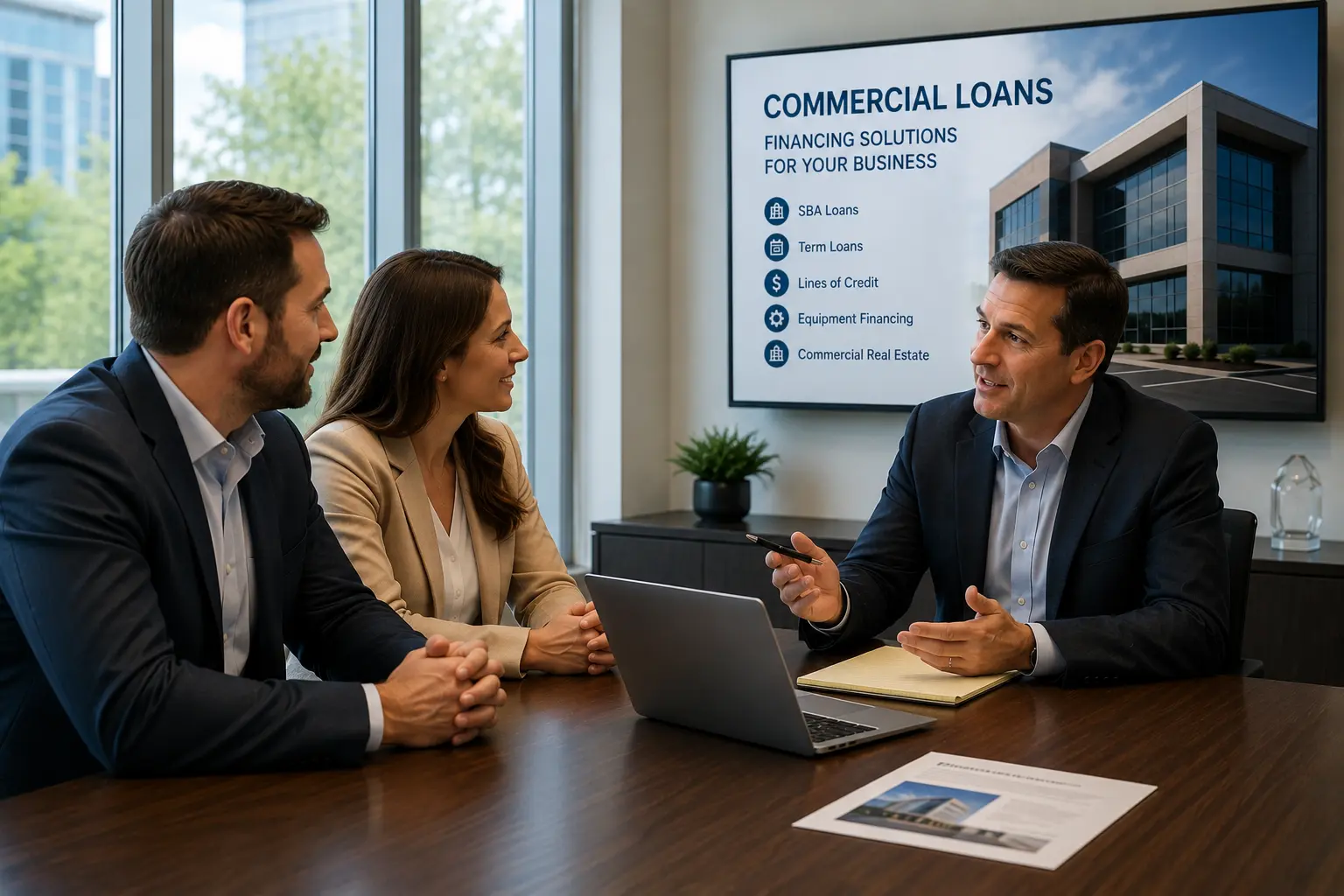
Share the property type, address, value, current debt, purchase or refinance amount, leases, NOI, use of funds, and timeline. We will identify the likely lender categories and the documents needed for a useful comparison.
Looking outside Vancouver? Review our commercial mortgage pages for Surrey and Langley.